Cardiff has the largest gull population of any city in the world. There are 20 different gull species but two predominate here: the Lesser black-backed gull (Larus fuscus) and the Herring gull (Larus argentatus). Over 8,000 of them feed, pair off, breed, nest, raise chicks and spend their lives (which can be as long as 20-30 years) in this filthy, overcrowded, sprawling urban mess on the Severn estuary.
As is the case in any maritime location, gulls have always been a significant presence on the Glamorgan coast. However, the rapid growth in the numbers of permanently resident gulls is comparatively recent. 50 years ago there were hardly any gulls nesting in Cardiff. Gull colonies were located on cliff ledges, islands and beaches or in undisturbed deep vegetation, and the birds were only really noticeable around rubbish tips and fishing harbours, following ships heading out to sea, resting on inland lakes or as migrant summer visitors passing through.
But now, a sequence of circumstances have combined to make Cardiff the perfect spot for gulls. The eradication of their previous habitats by human interventions like building developments, tourism and industry; the transformation of their ocean feeding grounds into lifeless, over-fished, over-heated, poisoned, plastic-choked sewers; and the resultant massive reduction in gull numbers (by 70%) and related spread of avian diseases that mean they now count as endangered species – all these catastrophes have forced the highly intelligent, adaptable and determined creatures to make extreme changes to try to survive, and Cardiff has kindly provided an obvious solution for the beady-eyed, opportunistic, omnivorous scavengers. What better for a hungry gull than a gigantic garbage dump awash with the mountains of discarded, fly-tipped, chucked away, vomited and surplus food generated by thousands of bottom-of-the-barrel ‘hospitality industry’ outlets that pass for the Cardiff economy these days, enabled by a population of countless lazy, dirty ignoramuses who don’t give a fuck. And as a bonus Cardiff offers a built environment of myriad flat-roofed empty sheds plastered across the former sea-moors and a forest of hideous speculative city centre tower blocks – ideal substitutes for the destroyed natural foreshores and cliffs where previous generations of gulls lived.
Predictable choruses of anti-gull hostility always appear at this time of year, when gulls are raising their young and are thus more visible and audible on rooftops and gliding across the sky. On ‘social media’ or in rags like the South Wales Echo the usual suspects advocate mass slaughter rather than share this corner of the Earth with another species. You know the types: the sort of people who vandalise nature reserves, wantonly kill wildlife, fell trees, deposit litter everywhere or buy their way into becoming First Minister of Wales. In fact all gulls are protected by law and it is a criminal offence to harm them or their eggs – but since when did illegality deter anyone?
Gulls are actually extremely helpful to Cardiff. Since the Council has given up on collecting litter and cleaning the streets (except in the City Centre in order to give a false impression to visitors), the gulls do an essential job limiting the horror-show, reducing rodent numbers and keeping some sort of check on the rampant dissemination of illnesses, diseases and vile stenches. A splattering of guano on the bonnet of some inadequate wanker’s bullying SUV is a small price to pay.
Then there is their beauty, their power, their superb aeronautical skills and their evocative, wide-ranging vocabulary of keening, wailing, chuckling and yelping that is as intrinsic to the seaside as the tang of ozone and the smack of salty air. We need them more than they need us.
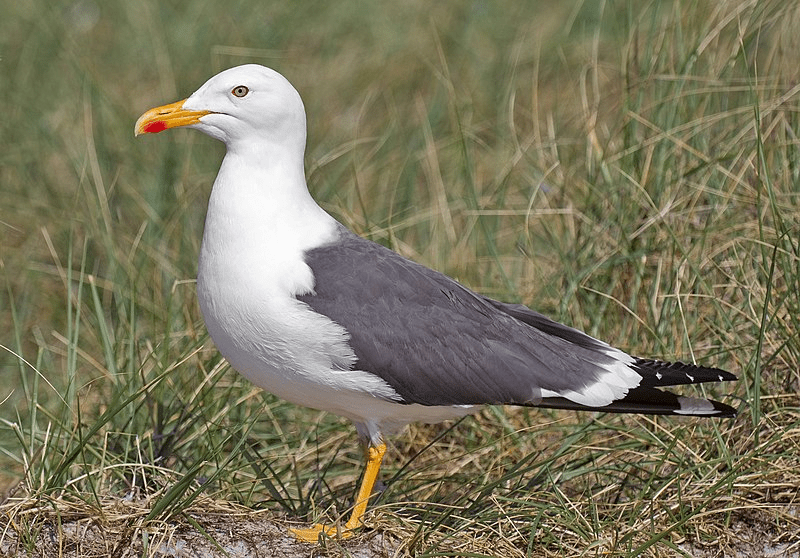
Picture: Andreas Trepte, Creative Commons
Complete agreement.