The Citrus genus of flowering trees and shrubs in the Rutaceae family produces a range of fruits that it is hard to imagine life without. It is a very rare day when I’m not devouring one of the many different citrus fruits, available all year round due to the clever cultivation calendars of global agribusiness that ensure varieties are continually ripening somewhere in the sunny, humid, tropical and sub-tropical regions where they are grown on a massive scale. I’m not alone in my addiction: of all fruits, only bananas are consumed more than the citruses.
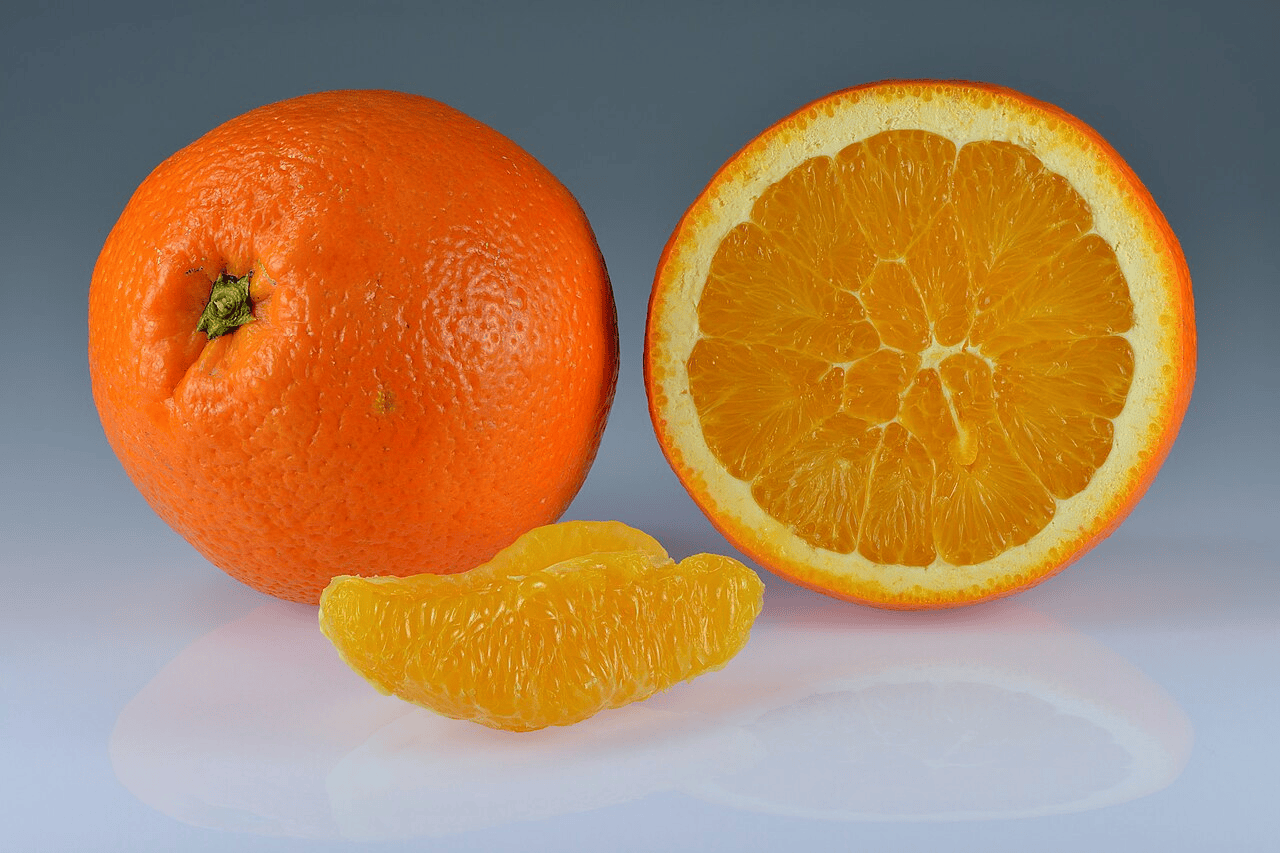
The orange is the best-known of the citruses, ubiquitous as a juice and the only food that has given its name to one of the colours of the rainbow. However, it is not a natural wild fruit but one of the earliest domesticated hybrids (Citrus x sinensis), created around 2,500 years ago in eastern Asia when some inspired farmer crossed the pomelo (Citrus maxima) with the mandarin (Citrus reticulata).
From orange’s origin in what is now southern China, north-east India and Myanmar, the small, evergreen tree, laden with hosts of handily ready-packaged sweet delights in their fragrant protective peel, slowly spread westwards to the Middle East. It was the Arab Agricultural Revolution, during the Islamic Golden Age of the 8th to 13th centuries, that developed scientific knowledge of horticulture sufficiently for orange, in both sweet and bitter versions (as well as other citrus fruits like lemon and lime), to be introduced to Sicily and the Iberian Peninsula a thousand years ago. From there the fruit rapidly took hold across the entire Mediterranean region and after Spanish conquerors brought citruses to the American continent in the 15th century their range had girdled the planet.
By the 17th century the sweet orange was established as a luxury edible in places, such as the British Isles, where the climate prevented it being grown outdoors. This meant the commencement of the importing of oranges, today an enormous aerial operation, and also the cultivation of orange trees by wealthy aristocrats in purpose-built glasshouses called orangeries. An orangery became a status symbol associated with royalty and there are some superb survivors across the UK, for instance at Kew Royal Botanic Gardens and Kensington Palace in London. But few anywhere in the world can match the magnificent, dramatic orangery at Margam Park in Wales, built between 1778 and 1793 to the designs of architect Anthony Keck (1726-1897) for Thomas Mansel Talbot (1747-1813). Talbot’s family first made their money by acquiring Margam Abbey and its extensive grounds following the dissolution of the monasteries and then increased their riches exponentially through ironworks, railways, mineral rights, mining, a port (Port Talbot) and judicious marriages. The building was made long and narrow with 27 tall windows in order to allow the sun streaming in to penetrate every possible inch even in winter. Restored to its full grandeur in 1970, it is open to visitors and is a must-see that vividly illustrates the incredible wealth extracted from Wales for the benefit of a handful of plutocrats. Nowadays there is still a small collection of orange trees in the orangery but it is mainly used as a posh function room for weddings and conferences.
Brazil produces nearly a quarter of all oranges, followed by India, China, Mexico, Egypt and the USA. Contemporary orange cultivars cover many uses: the ‘common’ or ’round’ orange crop is mostly juiced; the navel orange, with its belly-button apex and readily-peeled thick skin, is nicely tart and not too juicy making it suitable for eating; the Valencia orange is perfect for northern hemisphere winters being both delightfully sweet and late season; the blood orange is another eating favourite with enticing red flesh; bitter Seville oranges go to making jams and, particularly in the UK, marmalade; and orange zest, scraped from the outer surface of the peel (yeth indeed, don’t take the pith), is used in cookery, garnishes and cocktails.
My favourite though is not the orange but its older, smaller ancestor, the mandarin, and particularly mandarin offshoots tangerine, clementine and satsuma – now usually all labelled as ‘easy peelers’ in supermarkets where treating customers as infantile idiots is standard practice. I actually go to the bother of separating and de-skinning each segment before popping them in my gob. This is what is done mechanically in factories to fill tins of mandarins for lazy people’s ‘fruit salads’ – but for me the industrial use of ‘juice from concentrate’ and ‘acidity regulator’ combined with an unpleasant metallic hint makes them very disagreeable unless I’ve got the time and the inclination to overwhelm them within a sponge cake when Great Aunt Maud is expected for High Tea…
In the 21st century, when so many food products are tainted, low quality and toxified, oranges are relatively unadulterated by comparison – an accidental advantage bestowed by that protective peel, a long storage life and the fact they can never be picked prematurely before they’re ripe and orange-coloured, or else they will immediately cease developing and rot. And, as a bonus, all the citruses are packed with Vitamin C to help fend off winter sniffles.
Picture: Wikimedia Commons